 DYNAMAX
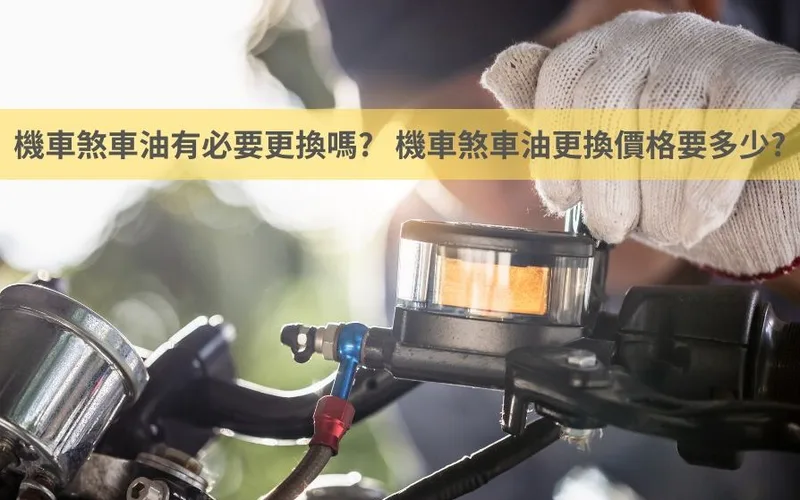
Replace brake fluid according to time-based manufacturer service and operating conditions, not color or mileage alone. Confirm DOT specification and ABS procedure. Stop riding for a suddenly soft lever, rapidly falling level or leakage.
Why low mileage still needs service
Common glycol-based brake fluids absorb moisture, reducing boiling resistance. Vapor formed at high temperature is compressible and can increase lever travel. Brembo gives a general road-use recommendation of 1–2 years; model-specific and track requirements still govern.
Reference: Brembo: Brake Fluids for Motorbikes
Brake fluid transfers lever/pedal force into hydraulic pressure driving caliper pistons. The system depends on low liquid compressibility. Air or vapor can consume travel before force reaches the pads. This explains one possible cause of softness, but master-cylinder leakage, wear and other faults can also change feel; softness is not a reason to add fluid blindly.
DOT 5 differs from DOT 5.1
| Label | Service check |
|---|---|
| DOT 3 / DOT 4 | Confirm the required class, product data and intact container seal. |
| DOT 5 | Silicone-based classification; not a direct upgrade for a typical DOT 4 system. |
| DOT 5.1 | Non-silicone; despite the name, it is not DOT 5. Confirm system acceptance. |
| Low-viscosity requirement | Some electronically controlled systems have additional low-temperature viscosity needs; boiling point alone is insufficient. |
Reference: 49 CFR 571.116 Motor Vehicle Brake Fluids, 2023 edition · Brembo: Brake Fluids for Motorbikes
Dry boiling performance concerns new fluid under specified testing; wet performance concerns a prescribed conditioned sample, not two stages visible by color. Road selection combines required class, cold viscosity, materials and usage. A racing fluid’s high dry value does not prove a long service life or ABS suitability where maintenance or other requirements differ.
Buy clearly identified fluid with intact packaging and known storage. Unknown opening date, repackaging or possible mixing makes it unsuitable for brake service. Prevent engine oil, solvents and dirt entering during work: calling everything “oil” does not prove material compatibility. Store/dispose of remainder as directed rather than using uncertain material to save a bottle next time.
Replacement requires complete circuit service
Replacement must cover the specified circuits, maintain reservoir level and remove air. Linked brakes, ABS modules or electronic systems may require a particular sequence or diagnostic equipment. Exchanging only reservoir fluid does not renew the entire circuit. Use a suitably equipped technician when the model-specific procedure is unfamiliar.
Complete replacement renews fluid in the specified circuits while avoiding an empty reservoir introducing air. Sequence, linking and ABS conditions vary: some work needs no module actuation, while line disconnection or air entry may require extra steps. Ask the workshop to identify the model procedure rather than prescribing a sequence from a video.
Investigate a low level
Pad wear can gradually lower the reservoir level, but leakage can do the same. Check pads and seals before topping up, since pushing pistons back for new pads can cause overflow. A level below minimum, rapid loss or abnormal lever feel needs inspection.
Reservoir marks define an inspection range rather than a requirement to keep the level at maximum constantly. Pad wear changes piston position and level; sudden loss or external wetness strengthens the need for leak diagnosis. Recording level together with pad condition helps prevent overflow during pad replacement and stops topping up from concealing a leak.
Acceptance and stop-riding signs
- Record fluid, serviced circuits and leak-check results; confirm consistent lever feel.
- For brake drag, leakage, a lever reaching the grip or abnormal ABS warning, do not use a road test to investigate the hazard.
- Treat spills on paint immediately according to fluid and vehicle instructions; contaminated friction material needs professional assessment.
Acceptance requires more than a firm lever. Check caps, lines, connections and bleeders for leaks, then level, consistent operation and release. Verify ABS warning behavior by the manufacturer procedure. Delayed braking, drag or recurring softness needs investigation; temporary firmness after repeated lever pumping does not establish safety.
Two work orders: scheduled replacement and fault diagnosis
A symptom-free bike due by time can have a work order for specified fluid, completed circuits, bleeding and leak checks. A bike with a soft lever and rapidly falling level first needs leak, master-cylinder/caliper and friction-component inspection. The latter cannot be released solely on a “fluid change” entry. A future service deadline does not override a present fault.
Frequently asked questions
Q1. Can clear-looking fluid stay in service?
Appearance cannot establish boiling performance or moisture content; the schedule still applies.
Q2. Does ABS always require diagnostic bleeding?
Not always. Follow the model procedure and whether air entered the module; one method does not fit every system.
Q3. Can opened fluid be saved for the next service?
Follow the supplier’s opened-container guidance. Avoid uncertain age or sealing condition for safety-critical service.
Sources and applicable limits
- Brembo: Brake Fluids for Motorbikes — Moisture, vapor lock and general road-use guidance, not a universal motorcycle interval. (Accessed 2026-10-08)
- 49 CFR 571.116 Motor Vehicle Brake Fluids, 2023 edition — DOT classes and labeling checked in the 2023 published standard. (Accessed 2026-10-08)