 DYNAMAX
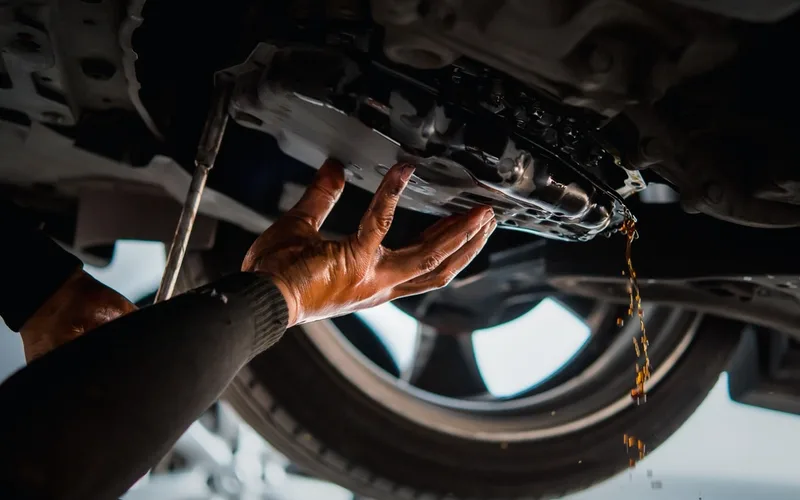
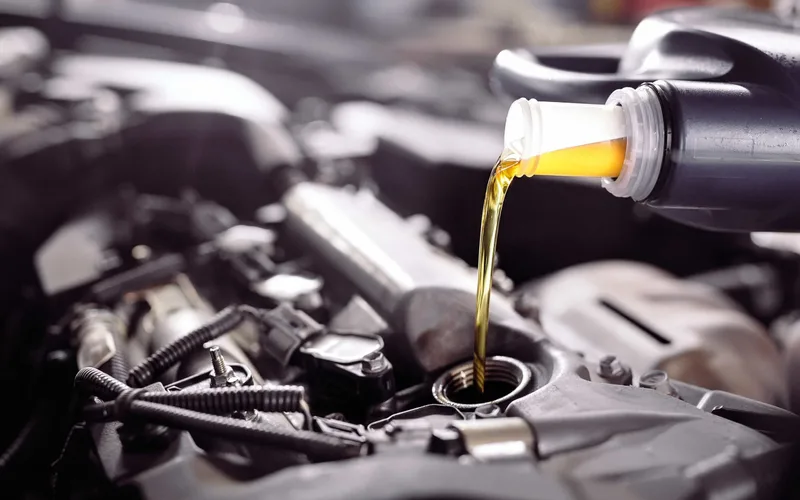
Engine oil and transmission fluid serve different systems. Automatic or manual shifting does not directly determine engine oil. Identify the assembly and fill point before checking its fluid specification.
Classify by function before base stock
Mineral, blend and synthetic descriptions do not classify every vehicle fluid by function. Engine oil manages lubrication and deposits; transmission fluid may also manage hydraulics, clutch friction and shifting. A shared synthetic label does not make them interchangeable.
Reference: API Motor Oil Guide · ZF Aftermarket FAQ: Oils
Identify the system before calling every lubricant engine oil. Engine, transmission, differential, hydraulic control and brakes have distinct functions and fills. General lubricity is not interchange permission; ATF needs friction/control behavior and gear fluids may have material/load requirements. Identify system, code and fill point before discussing base stock.
Reference: API Motor Oil Guide · ZF Aftermarket FAQ: Oils
Fluid taxonomy
| System | Fluid type | Critical check |
|---|---|---|
| Engine | Engine oil | SAE, performance and OEM requirements |
| Conventional automatic | ATF | Exact transmission and friction specification |
| Continuously variable | CVT fluid | Specified CVT formulation, not assumed general ATF |
| Dual-clutch | DCT fluid or separate circuits | Dry/wet design and each circuit's fluid |
| Manual gearbox and differential | Specified MTF, gear oil or other fluid | Assembly, synchronizers/limited slip and specification |
The table classifies systems, not model fills. Manuals may specify MTF or other fluids, and DCT/automated-manual circuits cannot be identified from shifter wording alone. List each fill's code and quantity on the work order so a gearbox quotation does not obscure transfer-case, differential or separate-control checks.
Gearbox type does not redefine engine oil
An engine offered with different gearboxes still uses its own engine-oil requirements. Conversely, one vehicle name may span different transmission versions, so automatic does not identify an ATF. Four-wheel-drive transfer cases and differentials may also require separate fluids.
Reference: ZF Aftermarket Lists of Lubricants
Service each system separately. An engine reminder reset does not document transmission service, and normal shifting does not establish engine level. A vehicle with engine oil, ATF and differential fluid needs all three requirement sets. Quotes/work orders should identify system, product, quantity and completion rather than a vague all-fluids service.
Reference: ZF Aftermarket Lists of Lubricants
Grade and performance codes belong to systems
Engine-oil and gear-oil SAE numbers cannot be compared directly as thickness values, and engine API categories do not establish transmission approval. Fluid color is only a clue, not performance evidence. Multi-application products require checking against each assembly.
Different SAE systems do not place engine 40 and gear 90 on one scale. Engine API, gear service and transmission OEM codes answer different questions. Multi-purpose lists need actual covered units and conditions rather than length-based confidence. Preserve distinctions among data-sheet wording, suitability and approval.
A practical wrong-fill prevention process
Record the assembly plate and fill location, then verify vehicle, year, gearbox code and existing fluid. An automated manual uses a manual-type mechanism with automated control; the word automatic does not authorize ATF. Follow the gearbox and control-circuit requirements and separate containers, funnels and labels.
Reference: ZF Aftermarket Lists of Lubricants
Use four steps: identify vehicle and assembly, obtain matching guidance, label fill/check points, then verify the container before work. Replaced assemblies may differ from original model data. Label tools and leftovers, avoiding unmarked shared cups for similar colors. If a fill point is unclear, ask a workshop instead of test-running.
Do not test-run after a wrong fill
If not started, avoid starting and record the fluid, quantity and fill point for workshop assessment of draining and cleaning. If driven, provide distance and symptoms. Poor shifts, slip and warnings may be mechanical or electronic faults, not problems to mask with thicker fluid or additives.
For wrong fills, provide exact product, system, amount and running history. Draining, cleaning and inspection differ by system and exposure; one replacement-bottle rule is inadequate. Preserve the timeline and record corrected requirements in separate engine, transmission and other-fluid fields for future work.
Frequently asked questions
Q1. Does an automatic car need automatic-specific engine oil?
Engine oil follows engine requirements; the gearbox has separate fluid needs.
Q2. Can ATF and CVT fluid be mixed if colors match?
Color does not establish compatibility; exact specification evidence is needed.
Q3. Does a dry DCT have no oil?
Dry refers to the clutch design; gears and control systems may still require specified fluids.
Sources and applicable limits
- API Motor Oil Guide — API/ILSAC categories, marks and compatibility; does not verify a particular product license. (Accessed 2026-10-08)
- ZF Aftermarket FAQ: Oils — ZF lubricant approvals and service conditions; other transmissions require their own manufacturer guidance. (Accessed 2026-10-08)
- ZF Aftermarket Lists of Lubricants — Assembly-specific ZF lubricant lists, showing 1 October 2026 editions; not a substitute for other brands' lists. (Accessed 2026-10-08)